01
The Pricing Spreadsheet
Pricing depends on one spreadsheet and judgment only the owner fully understands.
We talk with the people who know the work best, map how work gets done, and show where time, margin, and company value may be leaking.
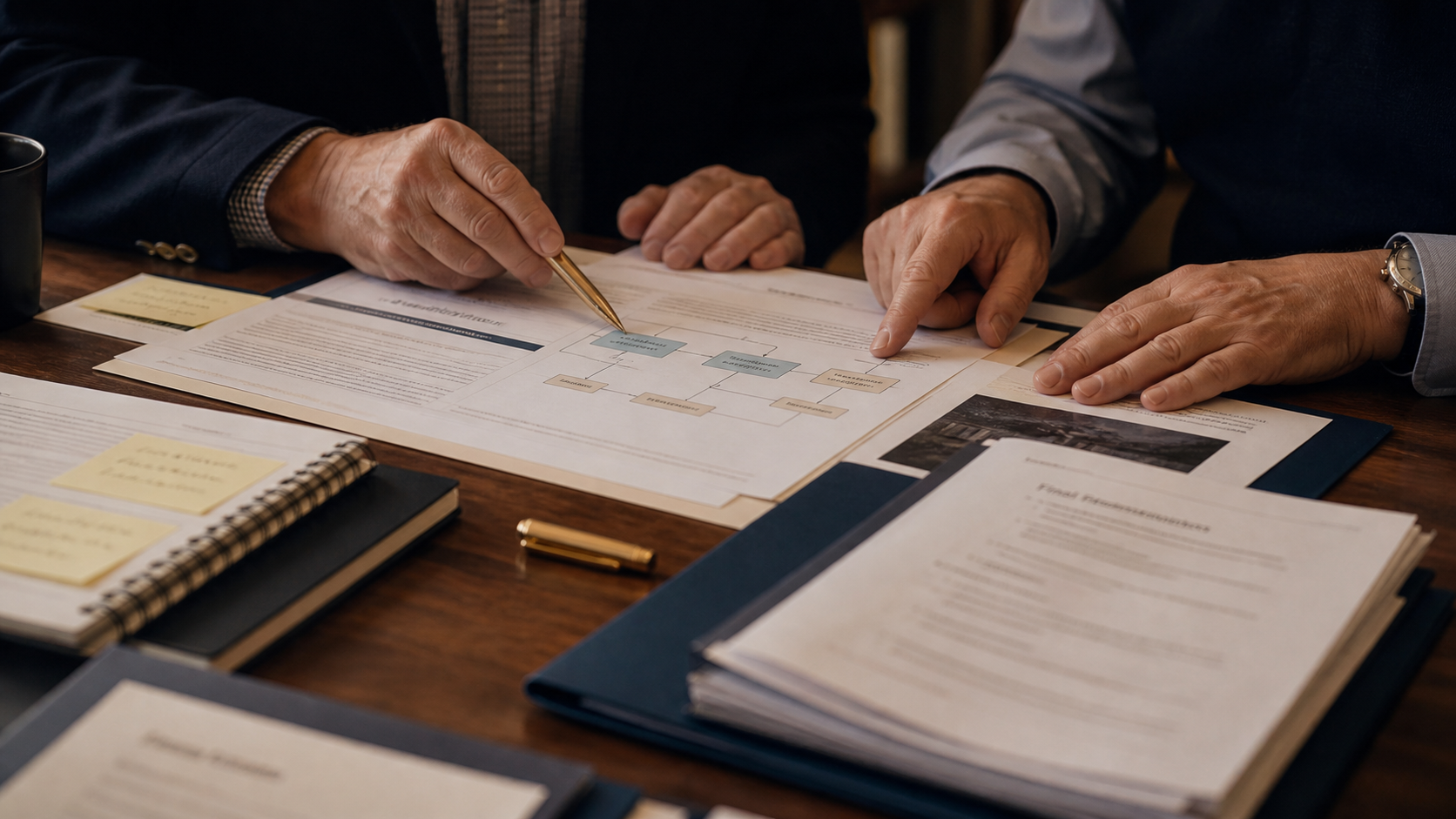
Most owner-led businesses run on workarounds, repeated steps, unwritten judgment calls, and handoffs that have become "just how we do it." Those habits cost time and margin until someone writes down how the work really moves.
Pricing depends on one spreadsheet and judgment only the owner fully understands.
A big customer relationship lives with one person. If that person leaves, the details leave too.
A key machine runs right only when an experienced operator remembers the unwritten fix.
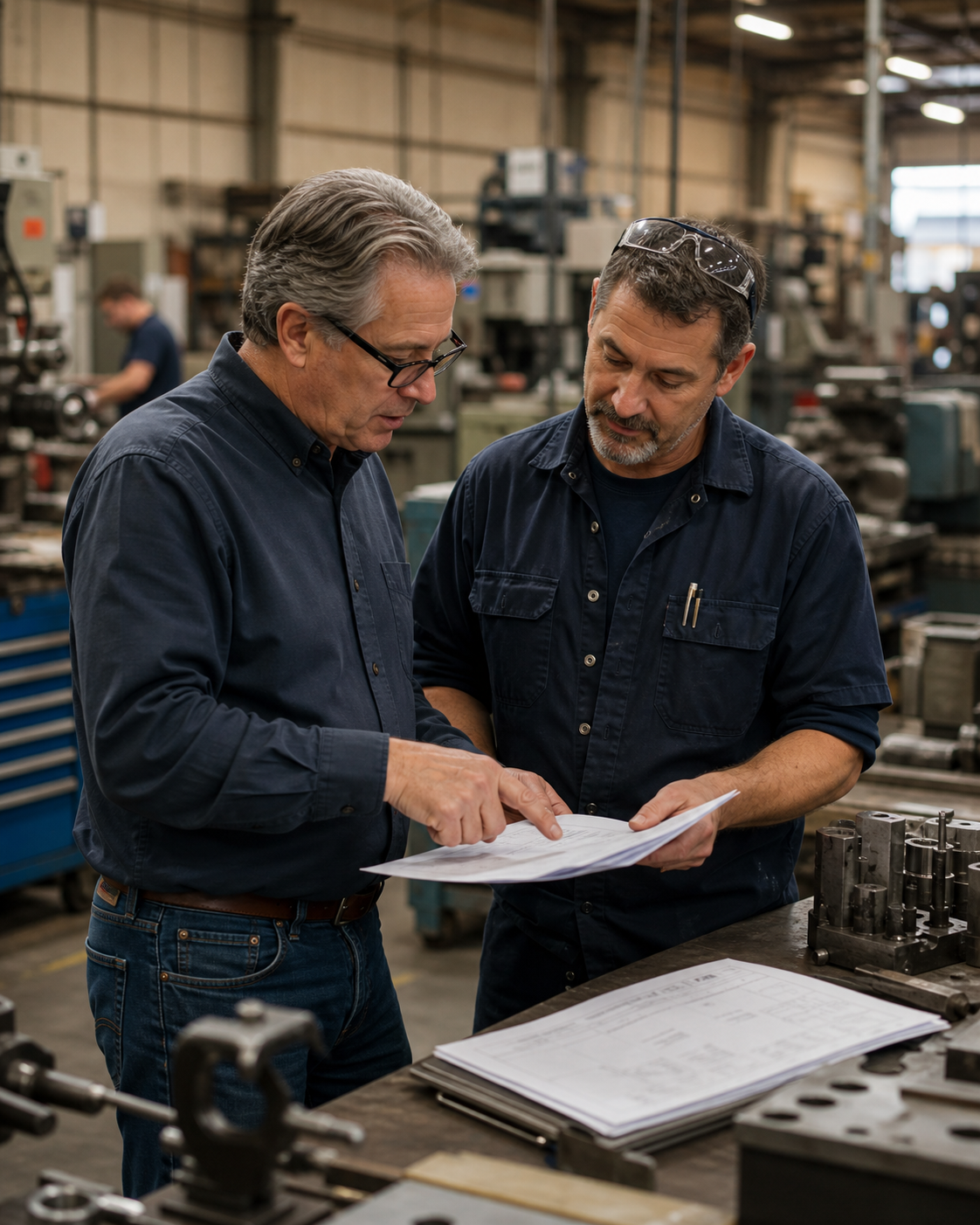
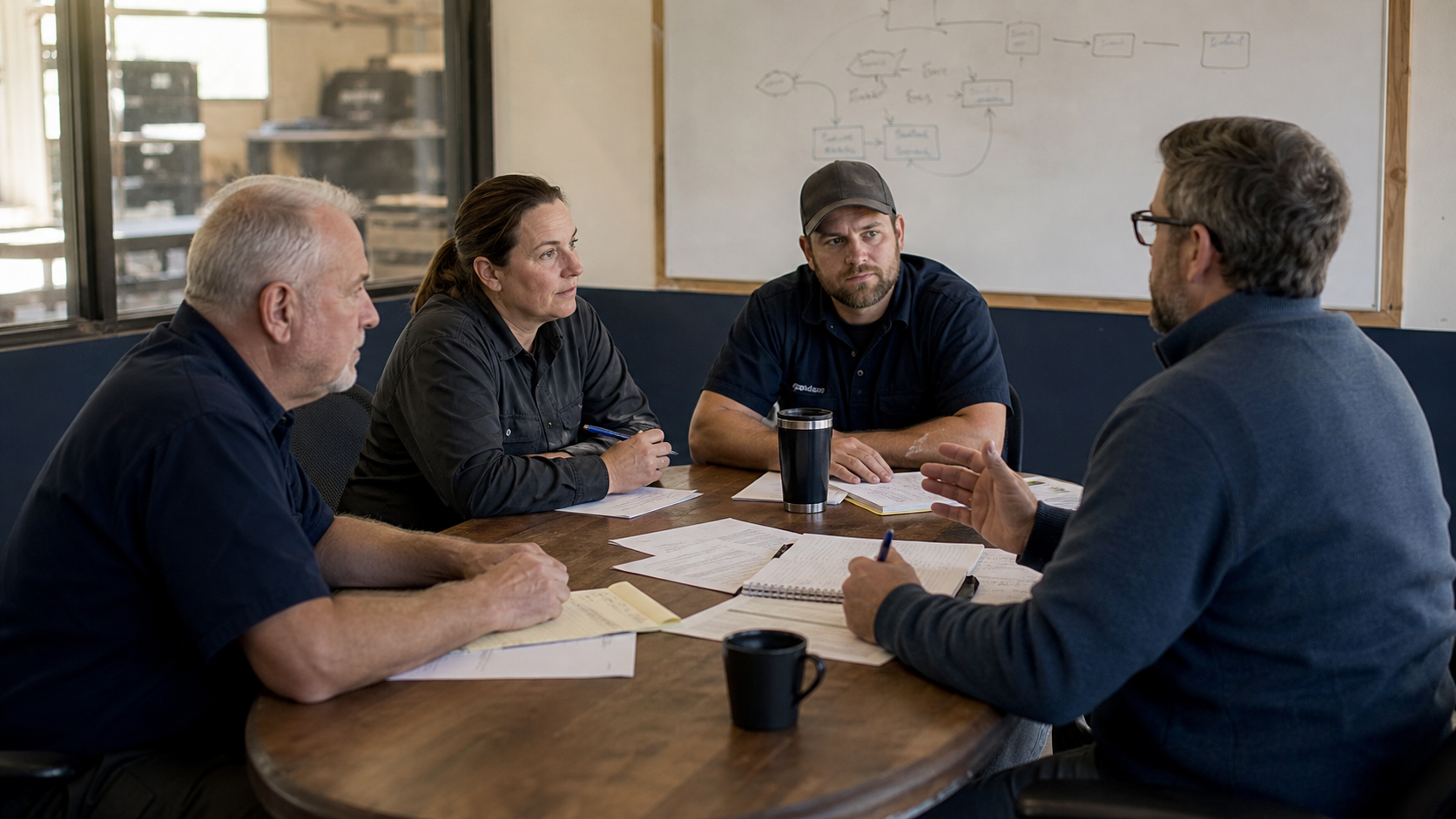
Start Succession prepares with basic research, interviews the people who know the work, and turns what they say into written steps, simple work maps, and a plain-English findings report.
Financials show the outcome.
Succession shows what is causing it.
Clear materials your team can inspect and use:
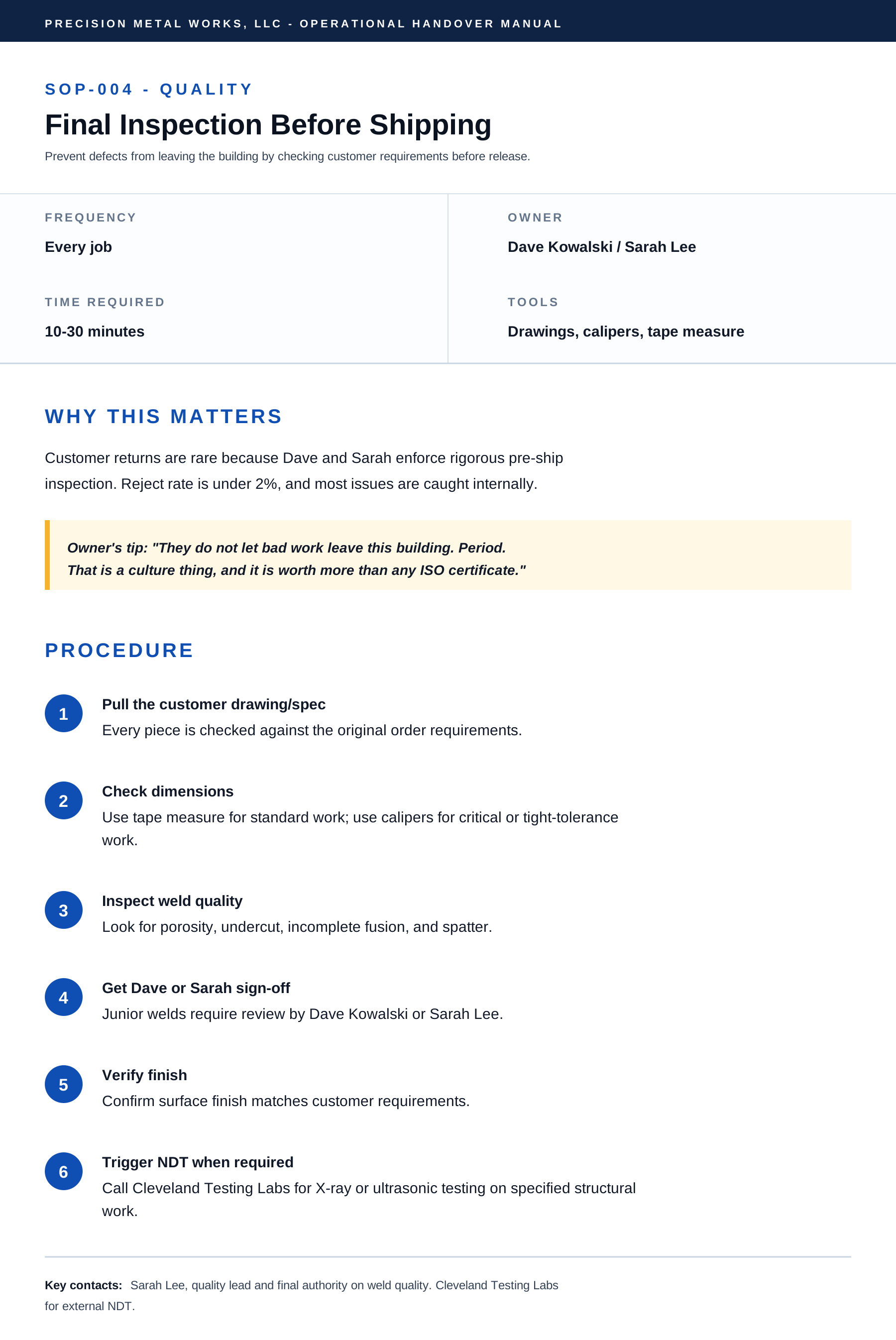
steps · sign-off criteria · key contacts
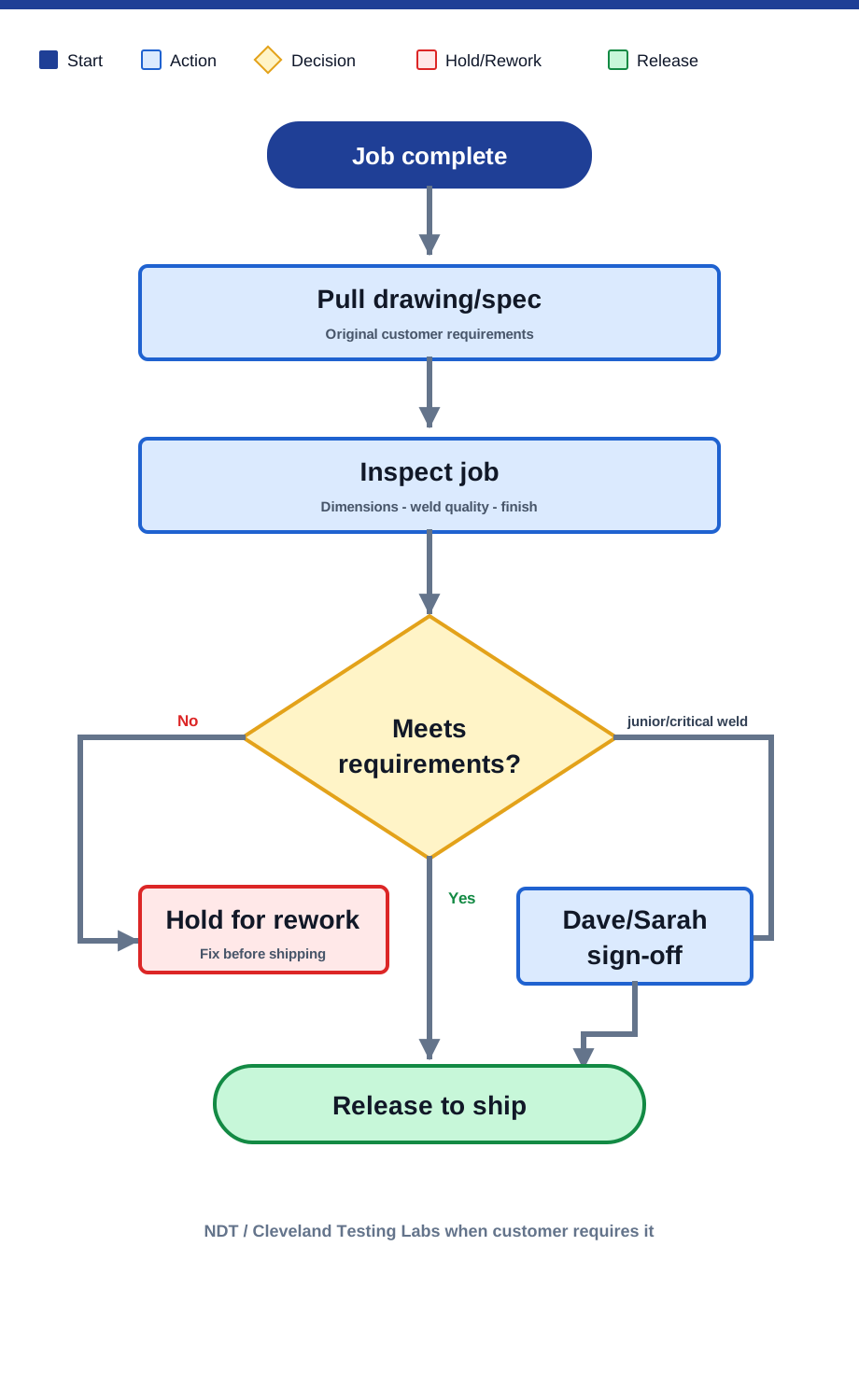
inspection gate · sign-off logic · release-to-ship sequence
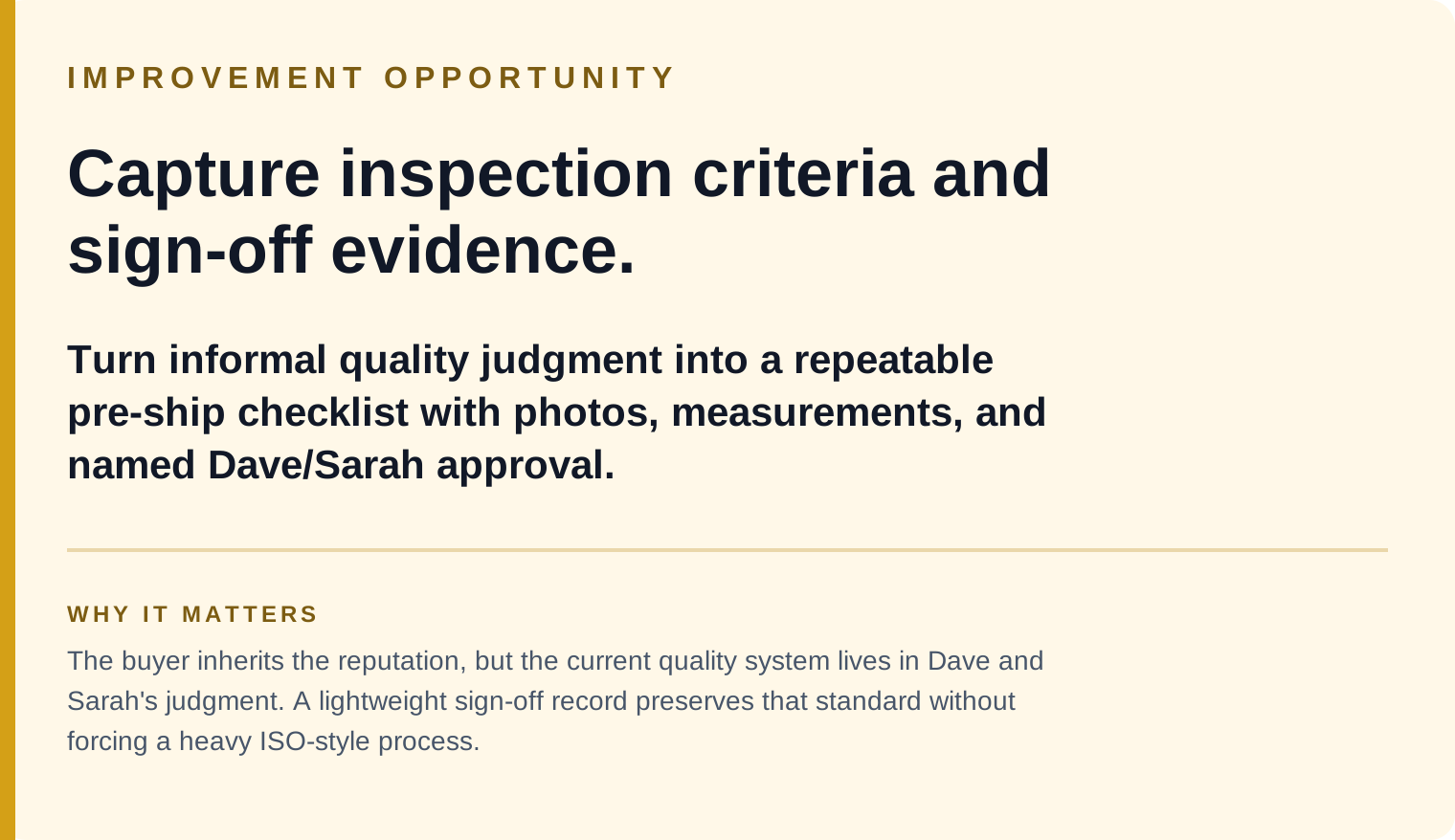
finding · risk · recommended next step
Every engagement includes: interview notes, clear work materials, a findings report, a walkthrough, and private handling of interview material.
This is a sample built to show the format. Real client work stays private and can be handled under NDA.
The profile surfaces signals that shape the interview plan.
Precision Metal Works is a sample company built for this demo. Real client materials stay private.
Make critical operating knowledge visible before it slows growth or creates disruption.
Find where time, money, and effort are being wasted.
Document the workarounds, exceptions, roles, systems, and handoffs that hide waste.
Give new people clearer instructions without making your team write the playbook from scratch.
One business review, one clear price, and a defined two-week turnaround.

Research, structured interviews, SOPs, workflow maps, value findings, and a walkthrough.
Included in the engagement:
If it is not a fit, we will say so on the call.
Succession finds hidden waste in how your business gets work done. We interview your team, map the real workflow, and show where time, money, and value may be leaking.
It is for owner-led companies where important work depends on handoffs, workarounds, judgment calls, or knowledge that is mostly in people's heads.
You get written steps, work maps, a plain-English findings report, interview notes, and a walkthrough so you can see what is causing rework, delay, or risk.
The standard engagement takes two weeks. That includes prep, focused interviews, drafting the materials, and a walkthrough of the findings.
The fixed price is $3,000 USD for one business review. The price includes research, 3-4 hours of interviews, work materials, findings, and a 30-minute walkthrough.
No. People lead the work. We interview real employees, review what they say, and turn it into useful business materials. AI may help draft, but it does not replace the interviews or review.
No. The work is designed to be focused and low disruption. We need a few hours with the people who know the work, then we do the mapping and writing.
Real client materials stay private. Public samples are synthetic. We can work under an NDA or your existing confidentiality process.